Every nonprofit organization organizes fundraising activities for funds. There are more fundraising activities for nonprofit organizations to choose from than any one team could realistically run in a single year.
Galas, walkathons, raffles, wreath sales, auctions, and online campaigns all promise results, but not every option fits every organization. Choosing the right mix takes a bit more thought than simply picking whatever worked for another group down the street. Here is what to consider before committing your time, volunteers, and budget to a fundraiser.
Start With Your Organization’s Capacity
Before anything else, take an honest look at what your team can actually execute. A large-scale gala might sound appealing, but it typically demands significant lead time, a dedicated planning committee, and a fairly sizable upfront budget for venue, catering, and marketing. Smaller organizations or all-volunteer groups often see better returns from lower-effort options that still bring people together, such as a fun run, a bake sale, or a product-based fundraiser.
One fundraising resource points out that the time and energy required to make an event successful matters just as much as the potential revenue, since overspending on a big production can quietly eat into your actual profit.
It also helps to be honest about staff bandwidth. Even a well-intentioned volunteer committee can burn out if stretched across too many moving pieces, so scaling your ambitions to match your team size protects both the event and the people running it.
Know Your Audience and Community
Segmenting your donor base by giving history, communication preferences, and level of involvement helps you match the right task to the right audience, rather than sending a single generic appeal to everyone on your list. Even simple details, like whether someone previously bought a fundraiser product or attended an event, can guide which channel and message will land best next time.
Weigh Return on Investment Against Time Invested
The best fundraising strategies for nonprofit organizations are built around the people who already support the cause. A group with a younger, digitally active donor base might see strong results from a crowdfunding campaign or a social media-driven peer-to-peer challenge. In contrast, a congregation or a long-established civic group might respond better to an in-person dinner or a familiar annual tradition.
Not every fundraiser that raises the most money is actually the most efficient one for your organization. It helps to think in terms of net return rather than gross revenue. A raffle or product fundraiser might bring in modest totals but require very little staff time. At the same time, a full-scale auction can generate impressive numbers yet consume weeks of planning and a meaningful portion of that proceeds on overhead.
Community-style events that ask supporters to pay upfront, like a charity walk or a themed contest, tend to build goodwill and awareness without necessarily requiring a direct donation, which can be a gentler entry point for newer supporters.
Diversify Rather Than Relying on One Method
Leaning too heavily on just one of the many fundraising events available to you as a nonprofit creates risk. If that one event underperforms in a given year due to weather, scheduling conflicts, or donor fatigue, your entire budget can take a hit.
A well-rounded approach usually blends methods such as a seasonal product fundraiser, a recurring giving program, a grant application cycle, and at least one community gathering each year. This spread not only protects your revenue but also gives supporters multiple ways to get involved, whether they prefer writing a cheque, buying a product, volunteering their time, or attending an event in person.
Research on nonprofit fundraising strategies echoes this point, noting that a broad mix of tactics reduces dependency on any single revenue source while opening fundraising up to a wider audience overall.
Consider the Season and Timing
Timing plays a bigger role in fundraising success than many organizations realize. Product-based fundraisers, for example, tend to perform especially well in the fall and winter months when people are already shopping for the holidays and looking for meaningful ways to support local causes.
Fundraising from the sale of fresh botanicals like wreaths, decorators, garlands, swags and many others are a popular choice for schools, scouting troops, sports teams, and churches during this window because the products sell themselves as seasonal must-haves while supporting a cause donors already care about.
Planning your fundraising calendar around natural giving seasons, such as year-end giving in December or back-to-school drives in the fall, can meaningfully boost participation without any extra marketing spend.
Factor in Volunteer Engagement
A fundraiser is only as strong as the people willing to run it. Before committing to an idea, ask whether you have enough reliable volunteers to staff it from start to finish, and whether the activity itself is something your volunteers will actually enjoy doing again next year.
Recurring fundraisers that volunteers look forward to tend to outperform one-off events precisely because the planning gets easier and more efficient each time they are repeated. Engaging your most active volunteers early in the planning process also increases the odds that they will recruit friends and family to participate.
Think About Long-Term Donor Relationships
The most effective nonprofit organization fundraising strategies do more than raise a single cheque. They build a relationship that brings donors back year after year. Choosing fundraisers that let you collect contact information, share your impact story, and thank participants personally sets the stage for recurring gifts down the line.
A strong case for support, paired with a clear picture of how funds will be used, tends to convert one-time participants into long-term supporters far more often than purely transactional approaches.
There is no single best answer to which nonprofit fundraising ideas or activities will work for every group. The right choice depends on your organization’s size, community, timing, and volunteer capacity, as well as how much risk you are willing to take on for a bigger production. Testing one or two new formats each year while maintaining a reliable tradition is often the safest and most sustainable way to grow your fundraising program without overwhelming your small team.
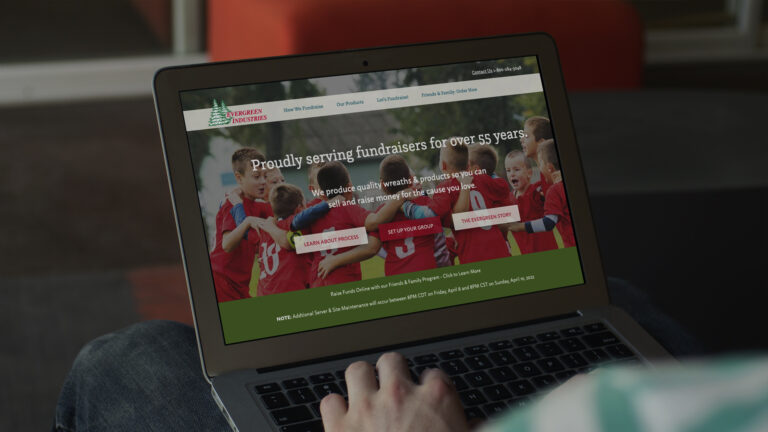
For organizations exploring a product-based fundraiser this season, Evergreen Industries has supported schools, churches, and community groups for decades with fresh wreath, swag, and garland fundraising programs designed to be simple to run and genuinely profitable. You can learn more about how the program works on the Evergreen Industries fundraising 101 page, which walks through everything from order collection to delivery.
Groups like scouting troops, sports teams, church groups, and school music programs have found this approach to be a dependable way to fund their programs each year, and the friends and family page shows how you can extend your reach even further through personal networks. Whichever fundraising strategy you choose this year, the goal remains the same: building a sustainable, repeatable path that supports your mission today while steadily strengthening donor relationships for years to come.