Uniforms, equipment, tournament travel it adds up fast, and it doesn’t matter if you’re coaching a youth league team or a competitive high school squad. Every team runs into the same problem: how do you cover the costs without asking parents to keep writing checks?
The good news is that fundraising doesn’t have to feel like a burden. Done right, it actually brings the team closer together, gets the community involved, and gives you a repeatable way to fund the season instead of scrambling every time a new expense comes up. Here are eight ideas worth trying, from quick product sales to events that turn into team traditions.
Why Bother With Fundraising in the First Place
Before getting into the “what,” it’s worth remembering the “why.” A good fundraiser does more than fill the team account:
- It builds team bonds. Working toward something together a new batting cage, a tournament trip teaches kids communication and effort in a way practice alone doesn’t.
- It shows the community you’re serious. A well-run fundraiser tells local families and businesses that your program is organized and worth backing.
- It creates memories. Players will remember the practices, sure. But they’ll also remember the chaos and fun of fundraiser day.
1. Wreath and Holiday Decor Sales
This one’s a classic for a reason: timing. Running a holiday wreath and garland sale in the off-season means you’re not competing with in-season demands on players’ time, and you’re selling something almost everyone already buys anyway.
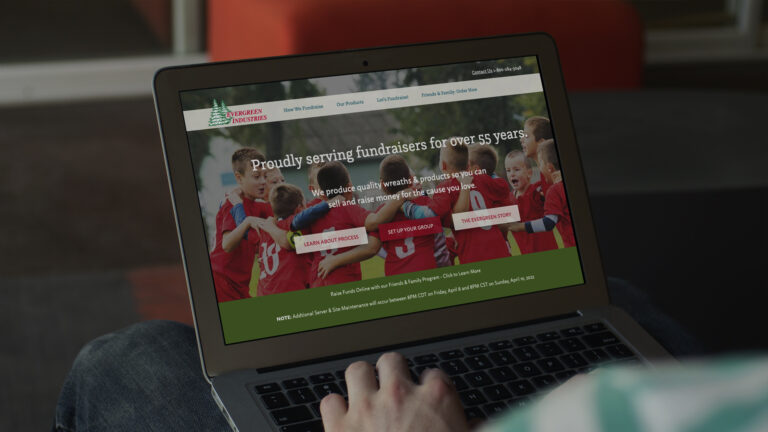
Players take pre-orders, the team keeps a solid share of each sale, and there’s no leftover inventory sitting around since everything’s made to order. It’s low-hassle and high-margin, which is why it’s one of the most popular options for teams looking for a simple, repeatable fundraiser. (Our Fundraising 101 guide walks through exactly how to set one up.)
2. Hit-a-Thon Challenge
If you want something that gets every player personally invested, try a Hit-a-Thon. Each kid lines up sponsors ahead of time family, neighbors, local businesses who pledge either a flat amount or a per-hit or per-distance rate.
Then you host a day at the field where players take their turns at bat. The friendly competition (who can hit it the farthest?) naturally pushes kids to round up more sponsors beforehand, and it turns fundraising into something that actually happens on the diamond instead of door-to-door.
3. Home Run Derby
A derby is an easy crowd-pleaser. Open it up to players, coaches, and parents even a few local “sluggers” from the community and split people into age or skill brackets so it stays fair.
Charge an entry fee, let fans sponsor their favorite competitor, and sell concessions and merch on the side. Because it’s built entirely around the sport itself, it tends to draw a bigger crowd than a generic bake sale would.
4. Baseball Carnival Day
This one works especially well for younger teams and their families. Set up simple, low-stakes games pitching speed contests, target throws, a base-running obstacle course and charge for wristbands or tickets for unlimited play.
Add the usual carnival snacks (popcorn, hot dogs, cotton candy) and you’ve got an easy family event that doesn’t require much setup or skill to run.
5. Custom Team Merchandise
Selling gear is an old standby because it works people get something they’ll actually use, and the team gets a steady profit margin. The trick is rotating what you offer by season: hoodies and beanies in fall and winter, team hats and quick-dry shirts in spring and summer.
Stick to items people genuinely want (good water bottles, car decals, even umbrellas) rather than piling on generic swag nobody will wear twice.
6. Base and Fence Sponsorships
This is more of a long-game strategy, but it pays off. Offer local businesses or committed families the chance to sponsor a base, the outfield fence, or a section of the bleachers for the season, in exchange for a visible sign or plaque at that spot.
It’s a small ask for a business mostly just a modest annual donation but it gives them season-long visibility, and it gives your team a source of funding that doesn’t rely on constant selling.
7. Youth Skills Camp
If you’ve got experienced players and coaches on the roster, consider running a skills clinic for younger kids (say, ages 6–10) basic hitting, fielding, and pitching fundamentals.
Charge a modest fee per participant. Beyond the funds it brings in, it’s a good way to build relationships with the next wave of players and their families before they even join the program.
Putting It Together
Teams looking for a straightforward way to raise funds for seasonal expenses can explore our sports fundraising program to learn how product sales can support their fundraising goals. You don’t need to pick just one. A lot of teams pair a steady product sale like a wreath fundraiser with one or two bigger events each season, like a Hit-a-Thon or Home Run Derby. That combination covers the routine costs while giving the team something fun to rally around a couple times a year.
If you’re ready to get a wreath fundraiser going for your team, request a product catalog and we’ll walk you through the setup.