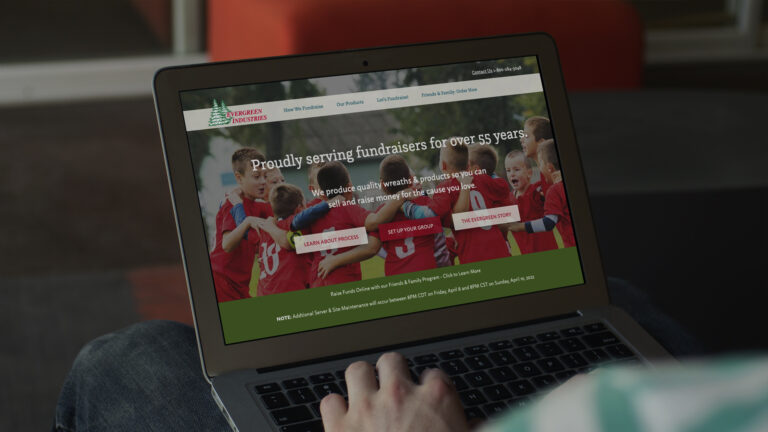

Successful fundraising takes more than a good cause. It also requires clear communication, thoughtful planning, and a positive experience for everyone who chooses to support your campaign. Even well-intentioned organizations can lose potential donors when their messages feel impersonal, their requests lack clarity, or supporters do not understand how their contributions will help.
Recognizing common fundraising mistakes can help schools, Scout troops, churches, nonprofits, and community organizations build stronger relationships with supporters. By making a few practical changes, you can encourage participation, earn trust, and make future fundraising campaigns more effective.
1. Focusing Only on What Your Organization Needs
Explaining why your organization needs funds is important, but donors also want to understand the difference their support can make. A request that focuses entirely on your financial needs may not give people enough reason to get involved.
Instead of simply stating your fundraising target, explain what reaching that goal will help you accomplish. For example, a Scout troop could explain how fundraising supports camping equipment, outdoor activities, or leadership development. A school could describe how the proceeds will help provide classroom supplies or student activities.
Connect your fundraising goal to a clear, meaningful outcome. When supporters understand the purpose behind a campaign, they have a stronger reason to participate.
2. Talking Too Much About Your Achievements
Sharing your organization’s progress can reassure supporters that their contributions matter. However, a fundraising message that focuses entirely on awards, accomplishments, or organizational success may make donors feel like an afterthought.
Keep the attention on the cause and the people who benefit from it. Explain what your organization is working toward, why the goal matters, and how community participation can help.
You can still celebrate previous fundraising achievements, but connect those results to the impact they created. A balanced message shows supporters that your organization values both its mission and the people who make it possible.
3. Sending Impersonal Messages to Supporters
Generic emails and repeated messages can make donors feel as though they are receiving a request intended for everyone rather than a genuine invitation to participate. These donor communication mistakes can weaken relationships, particularly when supporters have contributed to previous campaigns.
Personalize your communication where appropriate. Address recipients correctly, acknowledge previous support when relevant, and tailor messages to the interests of your audience.
For example, thanking returning supporters for their past participation can make them feel appreciated. When reaching out to new donors, explain the campaign clearly and invite them to get involved without creating unnecessary pressure.
Personal communication does not need to be complicated. A relevant message that respects the recipient’s time can be more effective than a long, generic appeal.
4. Ignoring Questions and Important Details
People may hesitate to participate when they cannot find answers to basic questions. Unclear pricing, missing deadlines, confusing payment instructions, or uncertain delivery arrangements can create unnecessary barriers.
Before launching a campaign, prepare the information supporters are most likely to need. Depending on your fundraising activity, this may include:
- The purpose and goal of the campaign
- Available products, prices, or contribution amounts
- Ordering and payment instructions
- Important dates and deadlines
- Collection, delivery, or distribution arrangements
- Contact details for questions
Make these details easy to find in emails, flyers, order forms, and online campaign pages. If your organization is selling seasonal products, such as Christmas wreaths, provide clear ordering and delivery information from the beginning.
Answering questions promptly also helps supporters feel confident about participating. Review your campaign materials before sharing them to identify missing or confusing information.
5. Making the Fundraising Request Unclear
A fundraising message should tell people what you are asking them to do. If the goal, next step, or deadline is unclear, potential donors may postpone their decision or leave without taking action.
Keep your request specific and straightforward. Explain what the campaign is supporting, how people can contribute, and what they need to do next.
For a product-based fundraiser, include a clear ordering process and explain how purchases support the organization’s goal. For a donation campaign, provide simple instructions for contributing and explain any relevant deadlines.
Use a clear call to action, such as inviting supporters to place an order, contribute to the campaign, or share the fundraiser with their community. Avoid including so many competing messages that the main request becomes difficult to identify.
6. Using Complicated Language and Too Much Information
Fundraising communications should be easy to understand. Long paragraphs, unfamiliar terminology, and excessive details can make even a worthwhile campaign feel difficult to follow.
Use everyday language and organize information into short sections. Put the most important details first, including the purpose of the campaign and how people can participate.
If you need to explain a more complicated fundraising process, break it into simple steps. Use headings, bullet points, and clearly labeled instructions where they improve readability.
Before sending a message or publishing a campaign page, ask someone unfamiliar with the project to review it. If they cannot quickly explain what the campaign is about or how to participate, simplify the content.
7. Failing to Communicate Honestly and Build Trust
Trust is essential to lasting donor relationships. Supporters want to know that a fundraising campaign has a genuine purpose and that the information they receive is accurate.
Be transparent about your goals, timelines, and the intended use of funds. Avoid exaggerated promises or claims you cannot support. If plans change or unexpected challenges arise, communicate those changes honestly rather than leaving supporters without an update.
After the campaign, share the outcome when possible. Explain whether you reached your goal, what the funds helped accomplish, or what your organization learned during the process.
These practices offer practical guidance on how to build donor trust. Consistent, honest communication gives supporters a clearer understanding of the campaign and helps establish a stronger foundation for future fundraising efforts.
8. Overlooking Donor Convenience and Appreciation
Even interested supporters may hesitate to participate if the process takes too much effort. Complicated forms, unclear payment options, inconvenient ordering arrangements, and slow responses can create avoidable friction.
Make participation as straightforward as possible. Provide clear instructions, ensure forms are easy to complete, and give supporters a reliable way to ask questions. For product fundraising, communicate order deadlines, collection arrangements, and delivery expectations before people commit.
Appreciation matters just as much as convenience. Thank donors and customers promptly, acknowledge volunteers’ contributions, and share meaningful updates about the campaign’s progress.
A thoughtful thank-you message does not need to be elaborate. A sincere expression of gratitude and a brief explanation of the difference supporters helped make can encourage people to stay involved.
Build Better Fundraising Habits for Your Next Campaign
Avoiding common fundraising mistakes starts with understanding your audience and making it easy for people to support your cause. Clear requests, personal communication, transparent information, and genuine appreciation can all help create a better experience for donors.
Before your next campaign, review your materials, check that important details are easy to find, and make sure every supporter understands how to participate. Once the campaign ends, evaluate what worked well and where communication or organization could improve.
For more practical fundraising guidance, explore Evergreen Industries’ fundraising resources. Whether you are planning a school fundraiser, organizing a Scout troop campaign, or preparing a seasonal wreath sale, thoughtful preparation can help your organization create a more organized and engaging fundraising experience.